

The Hidden Cost of Saying “I Deserve This” Too Often
Have you ever told yourself, “I deserve this” after a long day or a small achievement? Whether it’s buying coffee, ordering food, or booking a quick trip, these rewards feel harmless in the moment.
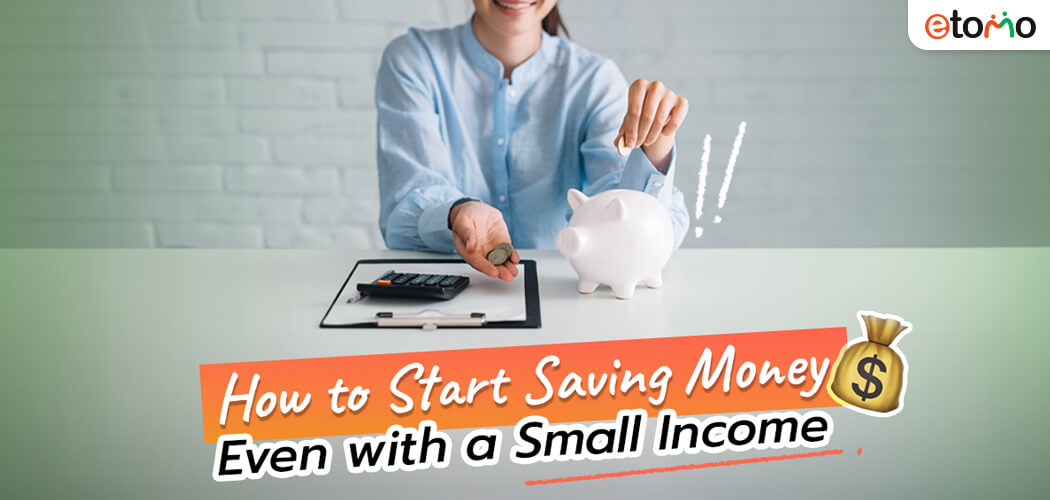
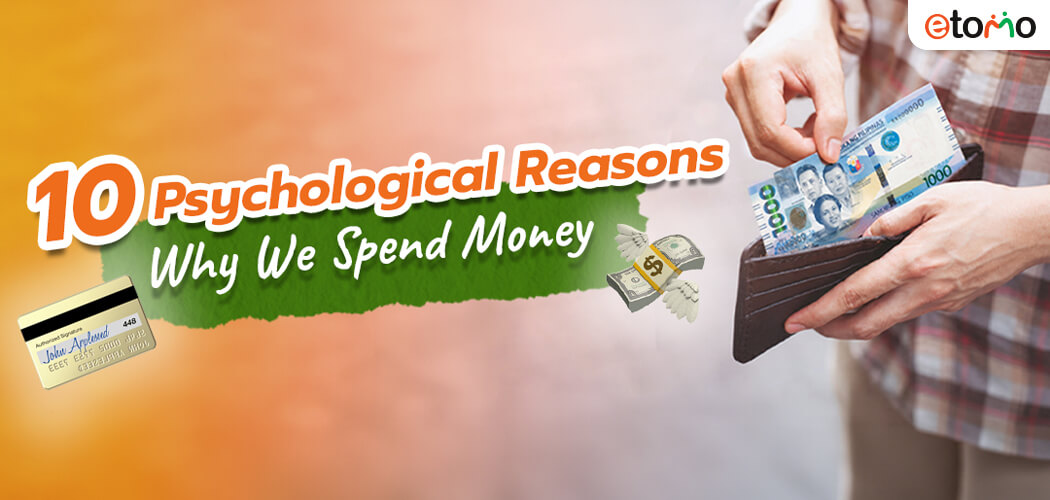
But over time, this habit can turn into emotional spending, quietly affecting your ability to save money and reach your financial goals.
Why This Matters
Spending as a reward can feel good—but small, frequent purchases can add up faster than you think.
For example:
Spending ₱250 per day on small treats like coffee or rides equals:
- ₱7,500 per month
- ₱90,000 per year
That money could go toward:
✔️ Savings
✔️ Debt repayment
✔️ Investments
✔️ Emergency funds
Understanding this habit is the first step to improving your money management and spending behavior.
Why We Say “I Deserve This”
1. Emotional Spending and Stress Relief
Many purchases are not about need—they’re about feeling better.
Stress, burnout, or even boredom can lead to impulse spending as a quick emotional reward.
2. Instant Gratification
Buying something new gives you immediate satisfaction. However, this feeling is temporary and often followed by regret or financial pressure.
3. Reward-Based Mindset
We often use spending as a way to reward ourselves for hard work or achievements. While rewarding yourself is important, doing it too often can impact your finances.
How Emotional Spending Affects Your Finances
When repeated regularly, small expenses can:
- Reduce your ability to save money
- Delay your financial goals
- Increase financial stress over time
Without awareness, this habit can make it harder to build long-term financial stability.
How to Control Emotional Spending
1. Pause and Ask the Right Question
Instead of saying, “I deserve this,” ask:
👉 What do I really need right now?
Sometimes, what you need is rest, connection, or a break—not a purchase.
2. Set a “Treat Budget”
Allow yourself to enjoy small rewards, but within a limit.
This helps you:
- Enjoy spending without guilt
- Stay in control of your finances
3. Find Non-Spending Rewards
Celebrate yourself in ways that don’t involve money, such as:
- Taking a walk or rest day
- Spending time with friends
- Cooking your favorite meal
- Completing a personal goal
4. Be Mindful of Spending Triggers
Identify situations that lead to impulse buying, such as:
- Stressful days
- Social media influence
- Boredom
Awareness helps you make better decisions.
You deserve comfort, happiness, and rewards—but they don’t always have to come from spending money.By becoming more aware of emotional spending habits and making intentional choices, you can enjoy life while still protecting your financial future.